The Connection Between Sleep, Bruxism, and Orofacial Pain
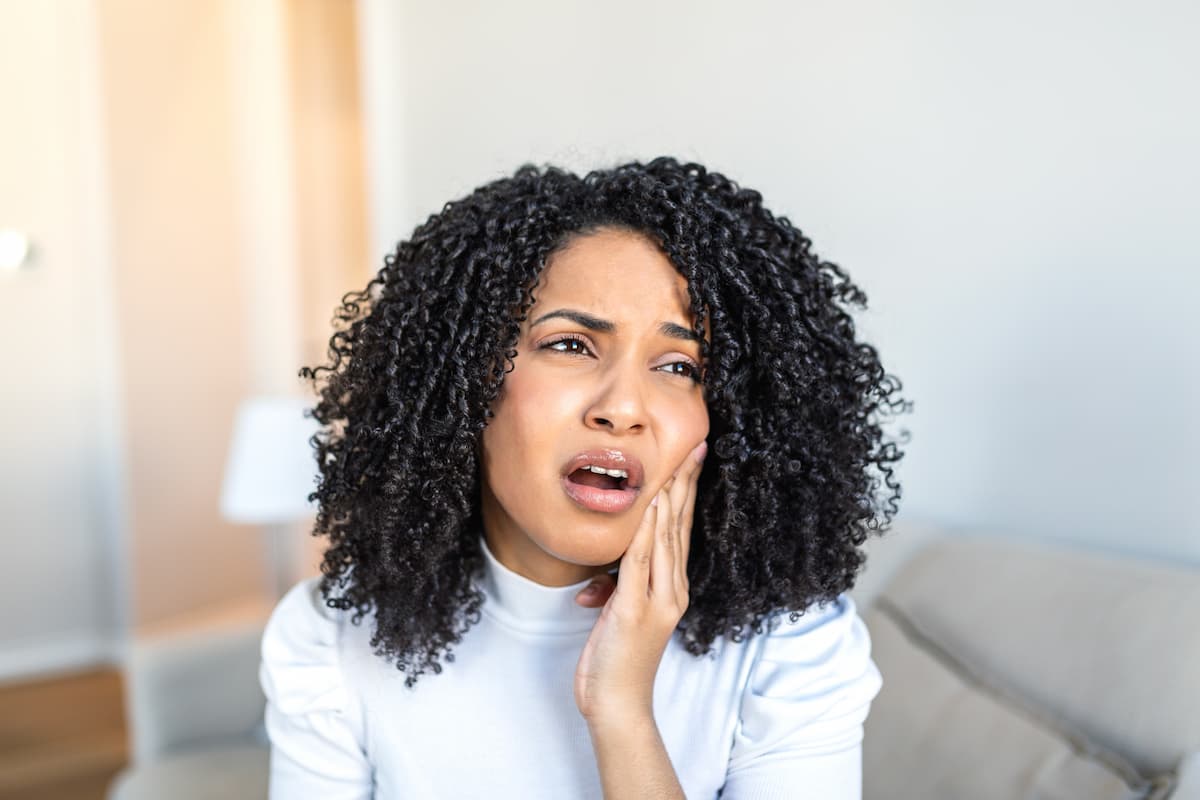
Poor sleep affects more than energy levels. Many people experience morning jaw soreness, facial tension, or headaches without realising these symptoms may be linked to disrupted sleep patterns.
At Future Dental in Cairns, patients often present with orofacial discomfort connected to sleep-related teeth grinding, also known as bruxism. Understanding this link can help identify the root cause of ongoing discomfort.
The Link Between Sleep and Orofacial Pain
Sleep plays a vital role in muscle recovery and pain regulation. When sleep is interrupted or insufficient, the body responds in ways that can intensify discomfort in the jaw and facial muscles.
Reduced sleep quality may:
- Increase muscle tension in the jaw and surrounding areas
- Lower pain tolerance, making mild discomfort feel more intense
- Trigger inflammatory responses that contribute to soreness
- Disrupt normal muscle relaxation during sleep cycles
These changes can make existing jaw issues more noticeable, particularly upon waking.
What Is Bruxism and Why It Matters
Bruxism refers to involuntary teeth grinding or jaw clenching, often occurring during sleep. Unlike daytime clenching, sleep bruxism happens without awareness and can involve sustained pressure over several hours.
This repeated strain may lead to:
- Jaw joint discomfort
- Facial muscle fatigue
- Tooth wear or sensitivity
- Headaches, particularly in the morning
Because it occurs during sleep, many individuals remain unaware until symptoms begin to affect daily comfort.
The Cycle Between Sleep Disruption and Jaw Pain
Sleep disturbances and bruxism often form a repeating cycle. Poor sleep can increase the likelihood of grinding, while grinding itself may interrupt restful sleep.
Factors that may contribute include:
- Elevated stress levels before bedtime
- Irregular sleep patterns
- Breathing-related sleep conditions
- Poor sleeping posture affecting jaw alignment
Recognising this cycle is an important step in managing both sleep quality and orofacial discomfort.
Managing Bruxism and Improving Sleep Quality
Addressing both sleep habits and jaw health can help reduce discomfort over time. A combined approach is often recommended.
Treatment and management options may include:
- Custom night guards to reduce pressure on teeth and joints
- Establishing consistent sleep routines
- Relaxation techniques before bed
- Assessing for underlying sleep conditions
- Adjusting sleeping positions to support jaw alignment
At Future Dental, care is tailored to each patient’s needs, focusing on both symptom relief and prevention.
When to Seek Professional Advice
Persistent jaw pain, facial tension, or signs of teeth grinding should not be ignored. Early assessment can help prevent further complications and provide clarity on contributing factors.
Future Dental in Cairns offers guidance for patients experiencing symptoms linked to bruxism and disrupted sleep. If you notice discomfort upon waking or suspect nighttime grinding, speaking with a dental professional can help you take the next step.
Call 07 4051 4580 or book online to learn how sleep patterns and jaw health may be connected.